- Shop: https://arts-of-the-working-class.myshopify.com/products/issue-41-energy
- Price: EUR 5.00
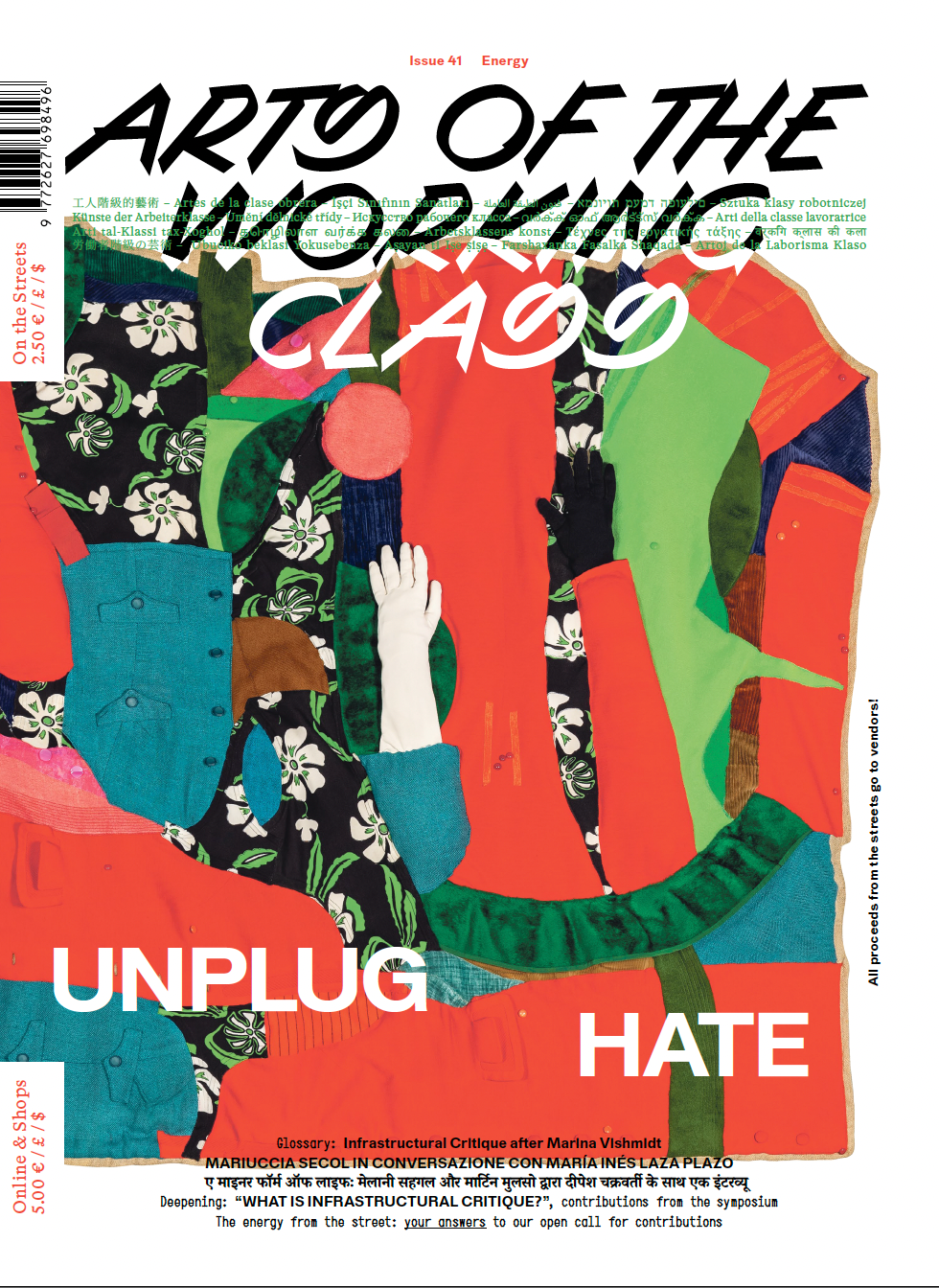
Tight fascia, exhaustion. From the energy spent and drained in the routines of our days—from untangling ourselves from demands and expectations. But energy is also generative. And it emerges in the work of Mariuccia Secol in the textures of presence and absence that the stretching of fabric and skin have in common. Energy also pulses through Marina Vishmidt’s notion of infrastructural critique—and in her tireless hours of writing, teaching, and collaborating. For both Secol and Vishmidt, energy is everything, and this issue owes its impetus to their shared attention to energy’s rhythms and resistances.
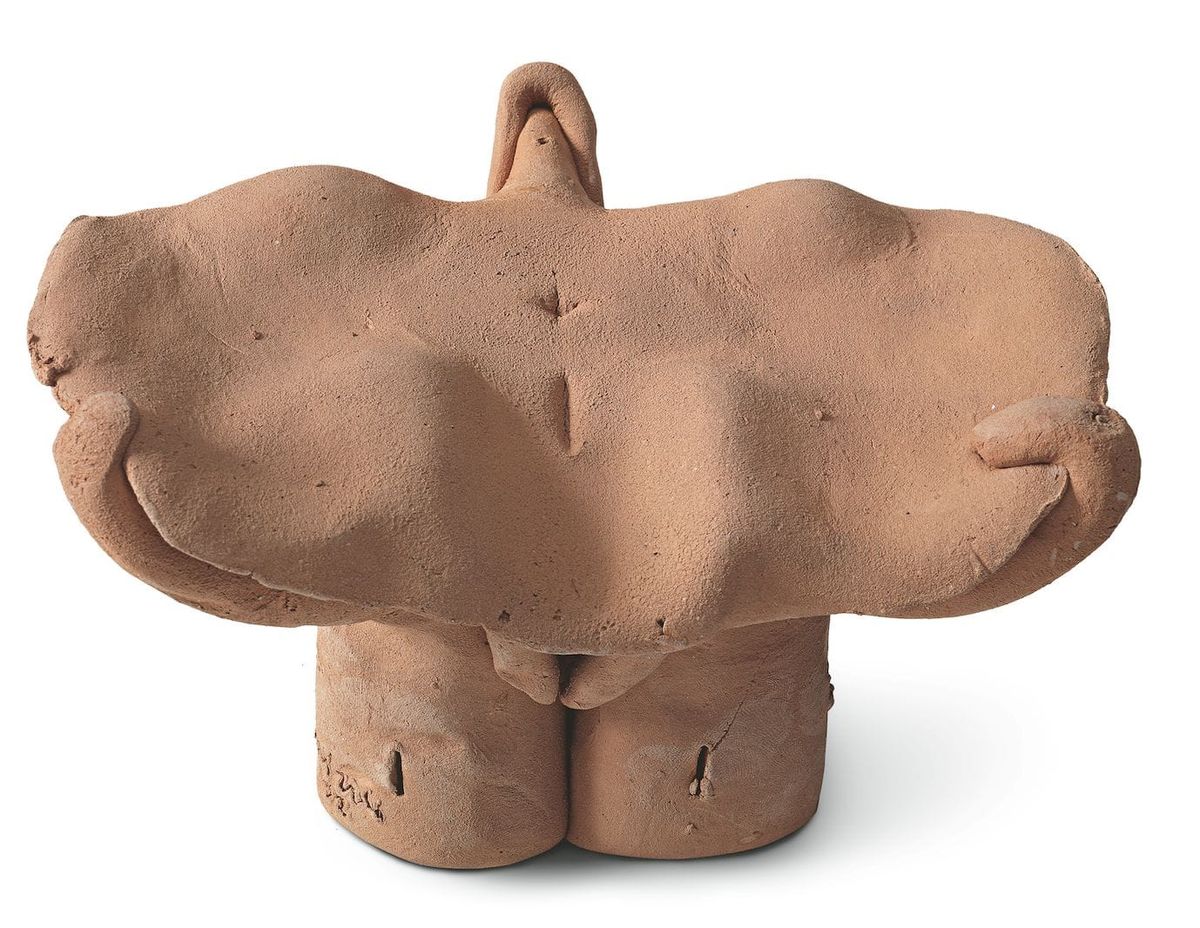
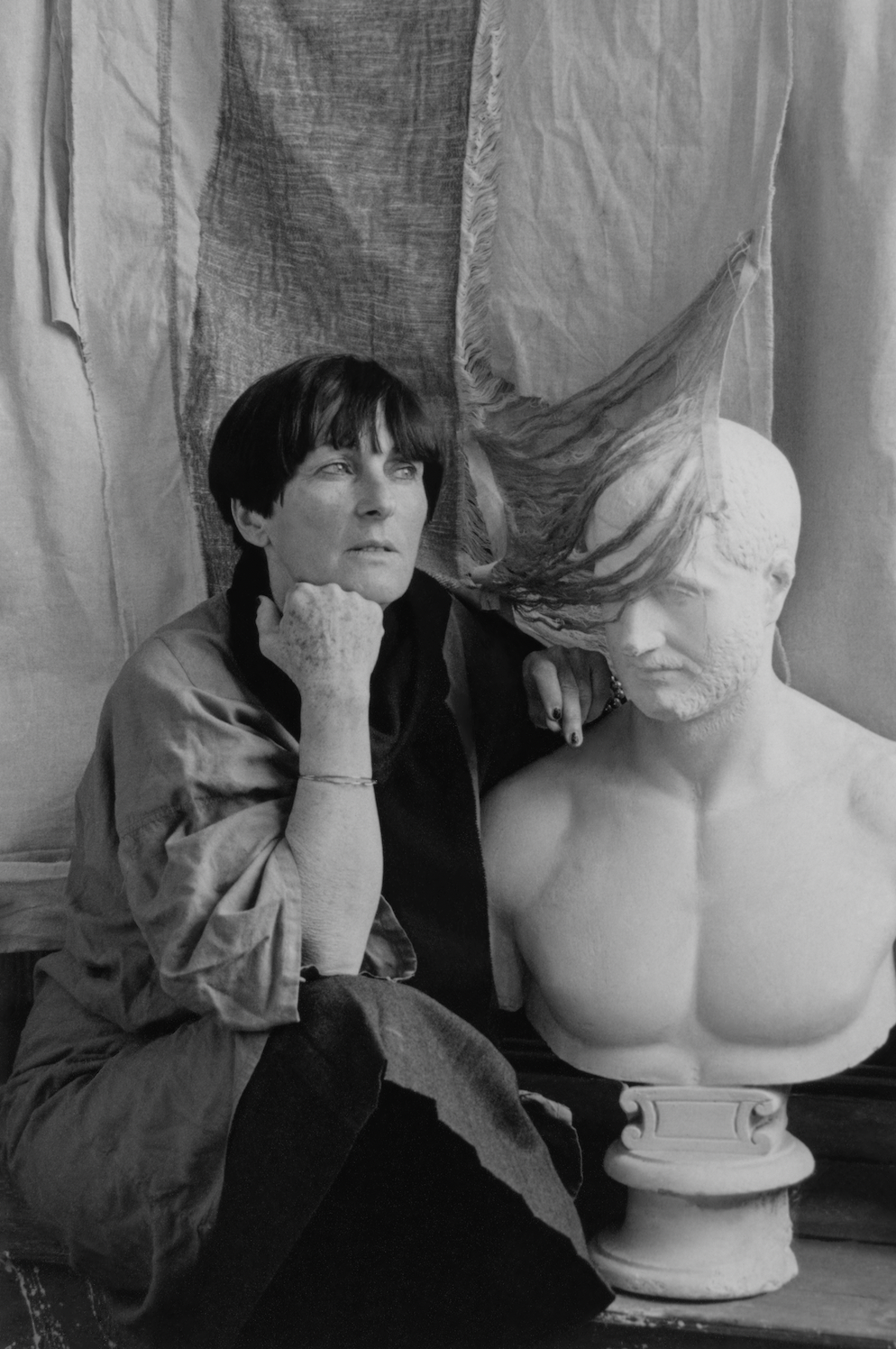
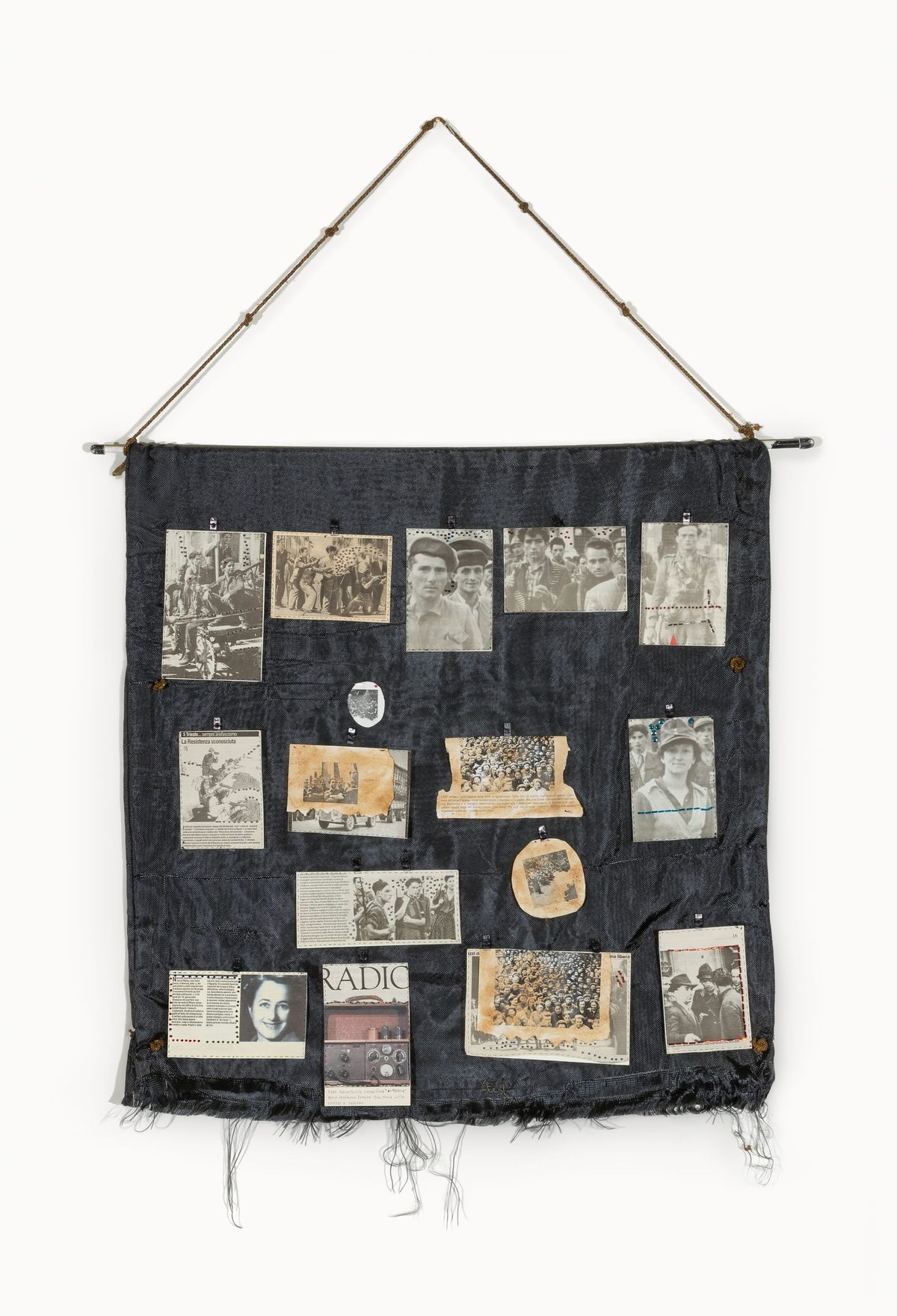
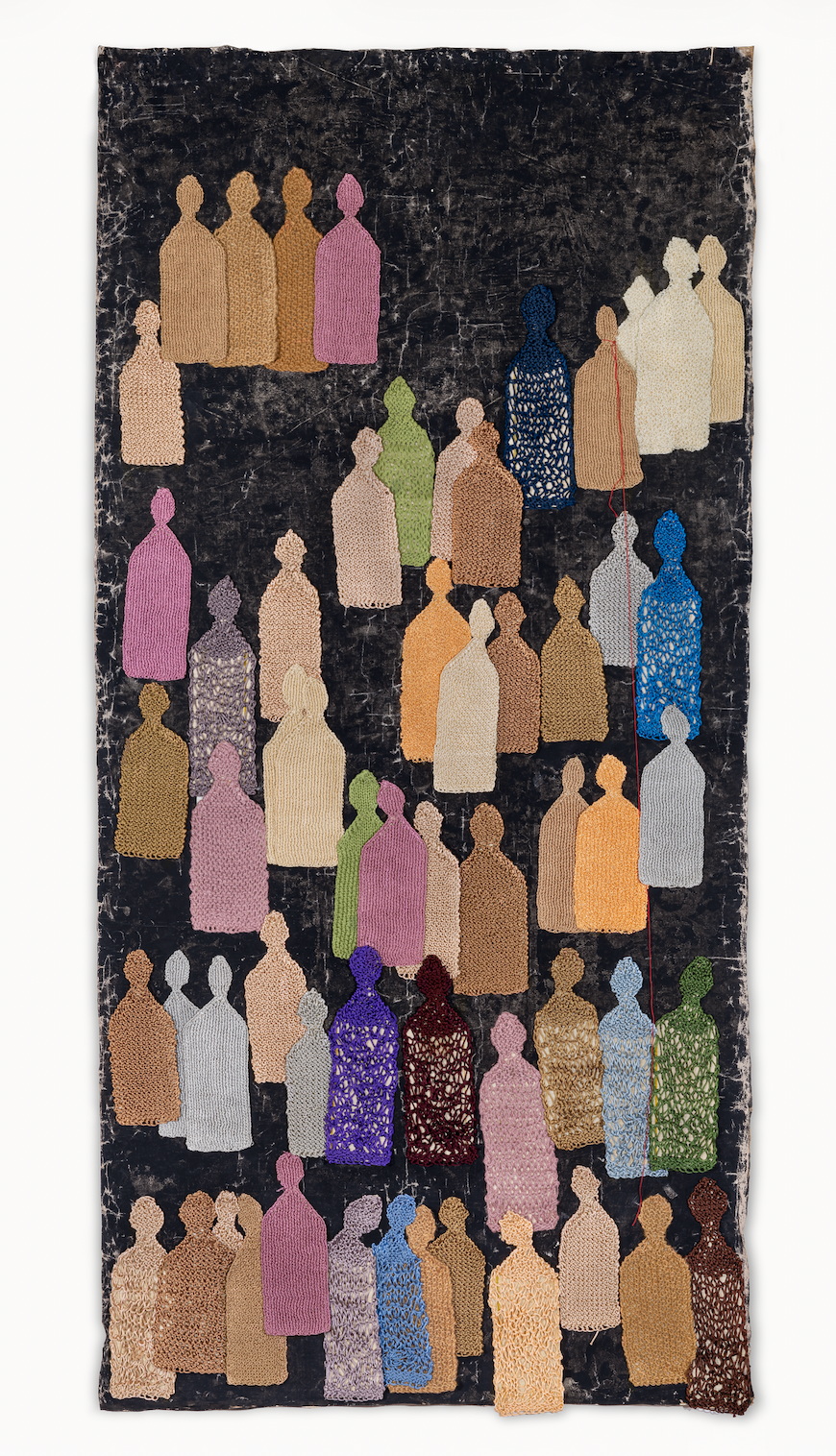
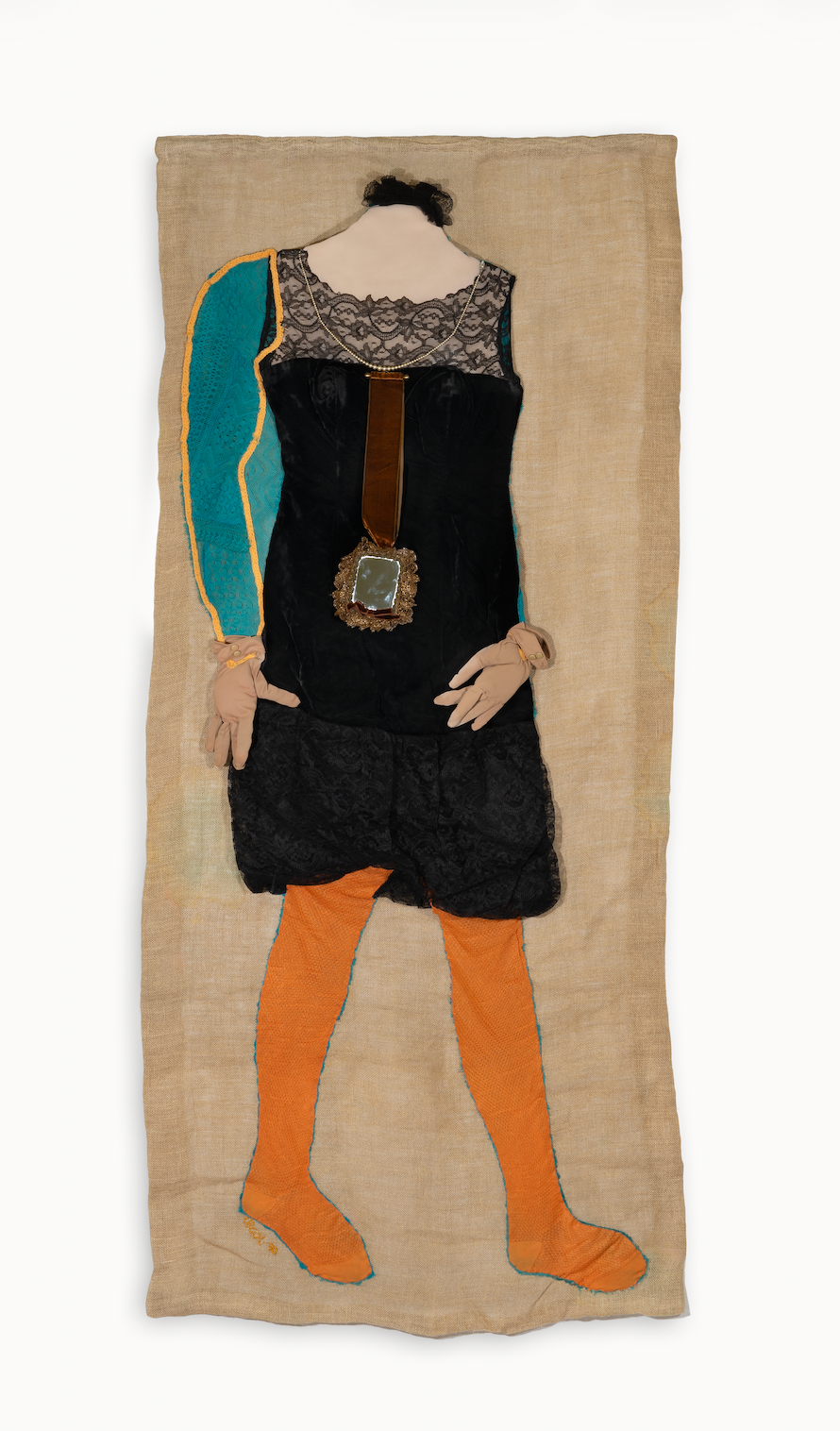
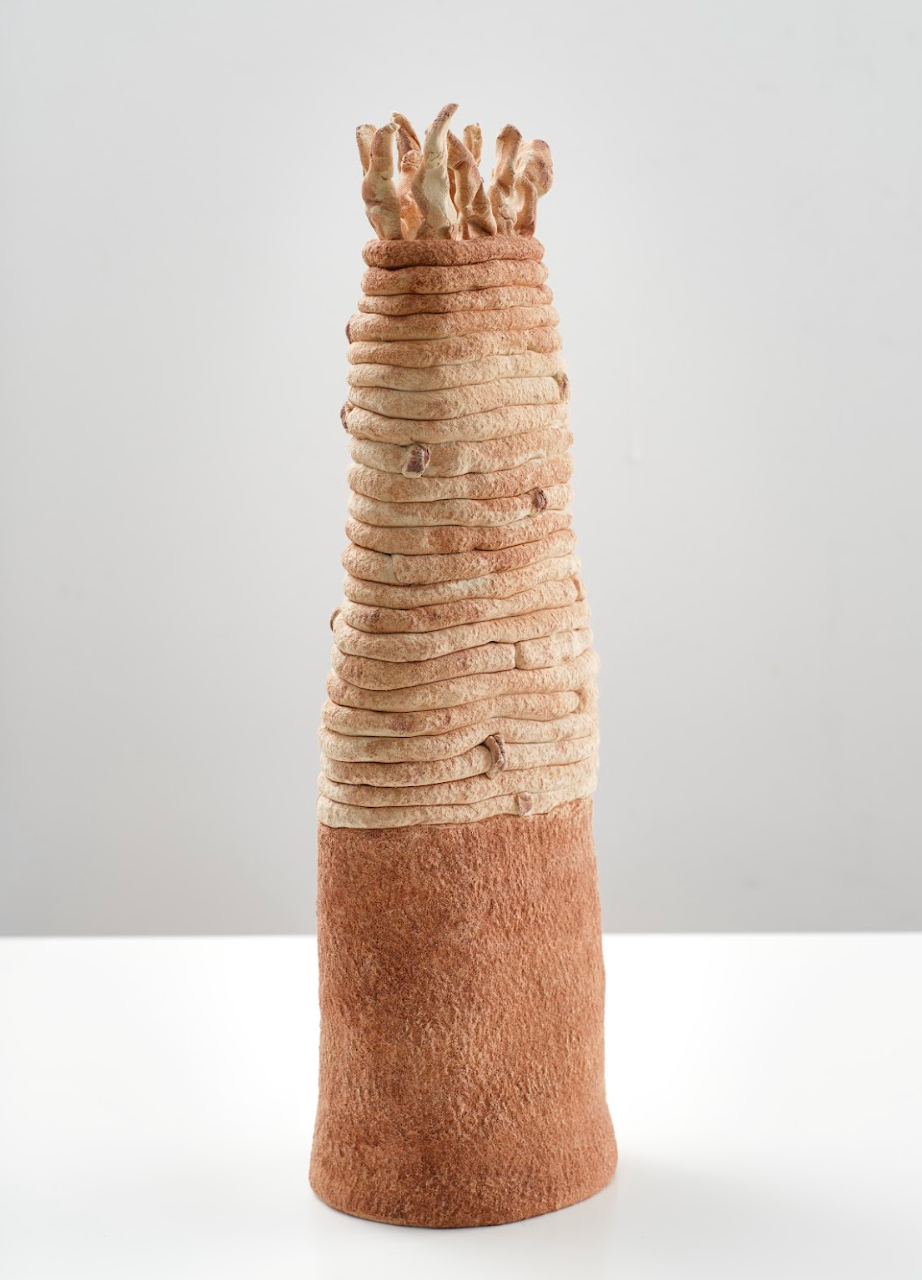
Birthed along the second wave of feminists, Mariuccia Secol’s practice has always been concerned with making energy collectively visible: in the worn fabric of aprons, the reassembled surfaces of fractured everyday objects, and the silhouettes that both reveal and hide the aging and exhausted skin of domestic workers. But her work never abstracted energy into data or symbols; it materializes the force of care, the weight of history, and the ongoing feminist struggle for autonomy and interdependence. Curated by Monika Branicka and Eva Brioschi, her first and long overdue retrospective will open this summer at Muzeum Susch and will offer a rare chance to experience how her forms sustain and transmit energy across decades.
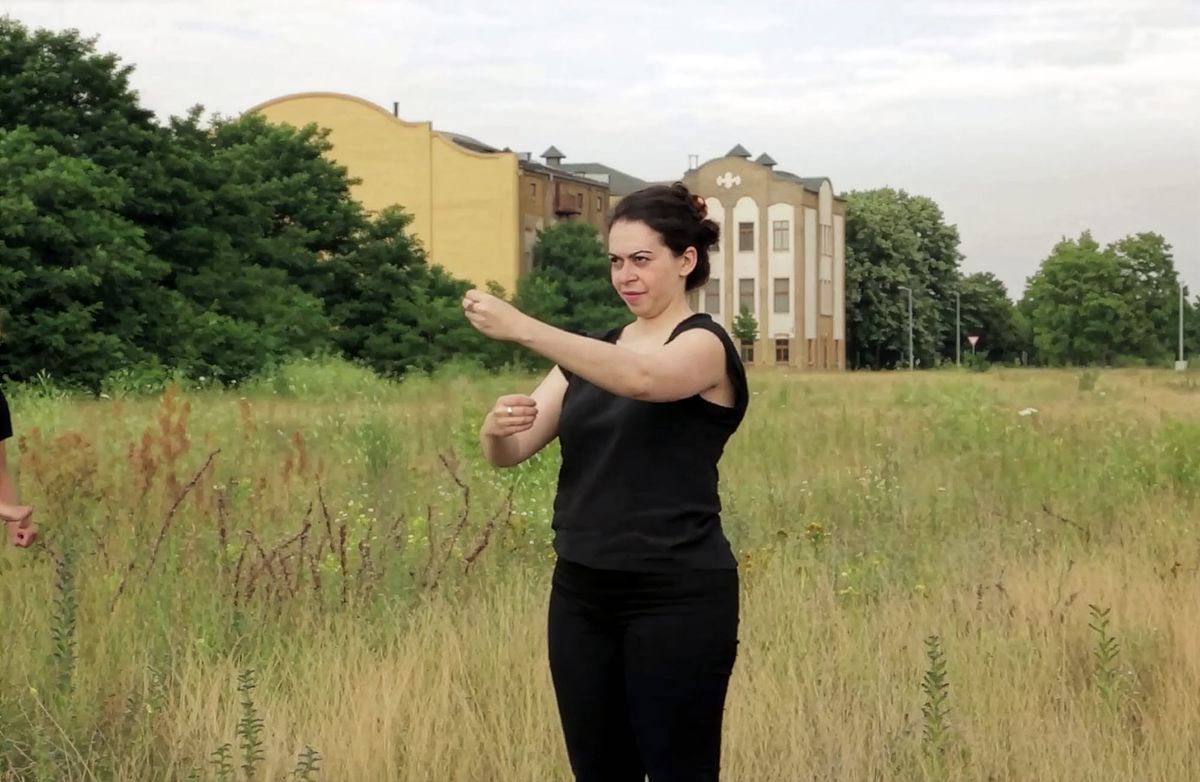
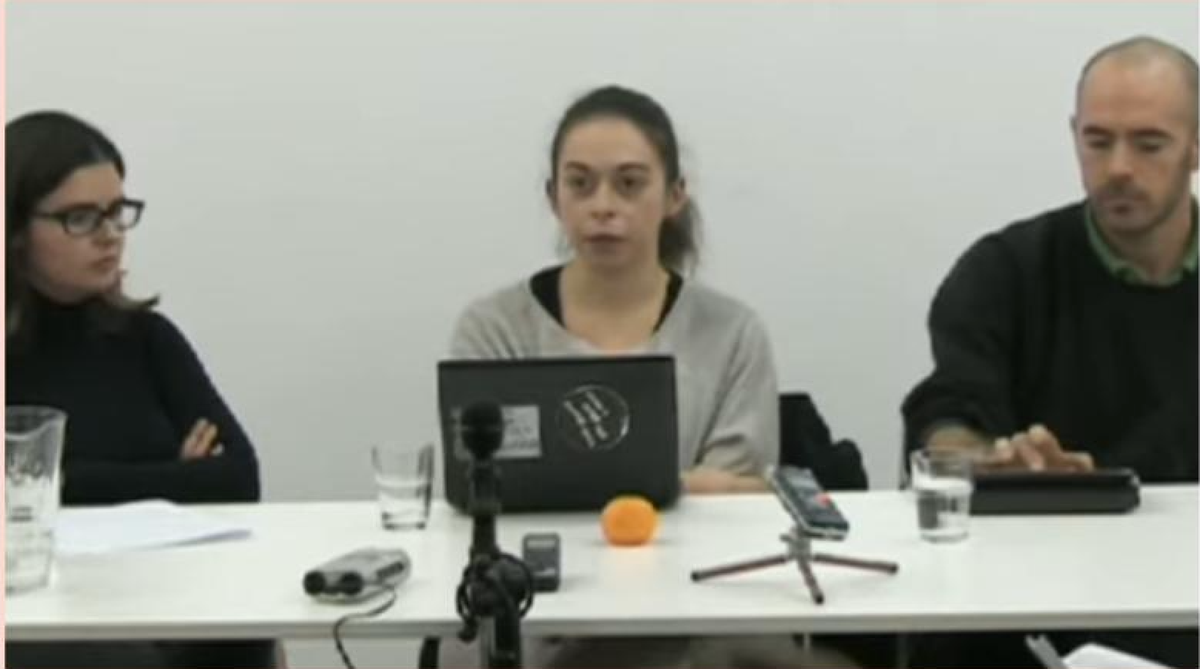
The question of energy resonates throughout the intersectional projects emerging from Marina Vishmidt’s work, particularly as explored at the What Is Infrastructural Critique? symposium at the Universität für Angewandte Kunst Wien last October. Her closest collaborators gathered to engage with her approach to infrastructures as enduring sites of social and political relations, tracing the long afterlives of slavery and ongoing forms of exploitation. Vishmidt’s infrastructural critique challenges the logic of institutional critique, proposing a form of questioning that cannot be fully represented, but must be enacted across and through institutions. Infrastructural critique is then a way of being attentive to the “dumbness” of certain conditions, as she called it, and of acknowledging how energy circulates through and against the grain of institution and discourse—as Danny Hayward reminds us.
By weaving these practices together with contributions from our broader network of writers, artists, and readers, our Energy issue lets these forms and ideas ripple outward, coming alive across five chapters: Sources, a conversation with Secol and a glossary on the rich vocabulary Marina coined; Currents, on the climate of philosophy; Grids, traced by low battery flows and virtual tours; Heat, the intensity of a legacy, friction radiating through figures of entropy, flames to dust; Converters, the mechanisms that translate a call for proposals into renewal of ideals within reality; and Discharges, the moments of release, play, and reflection that allow for recalibration. Through Mariuccia’s material insistence and Marina’s uncompromising critical gaze, Energy emerges as both methodology and manifesto—a call to inhabit the present and trace the invisible forces that hold it together.
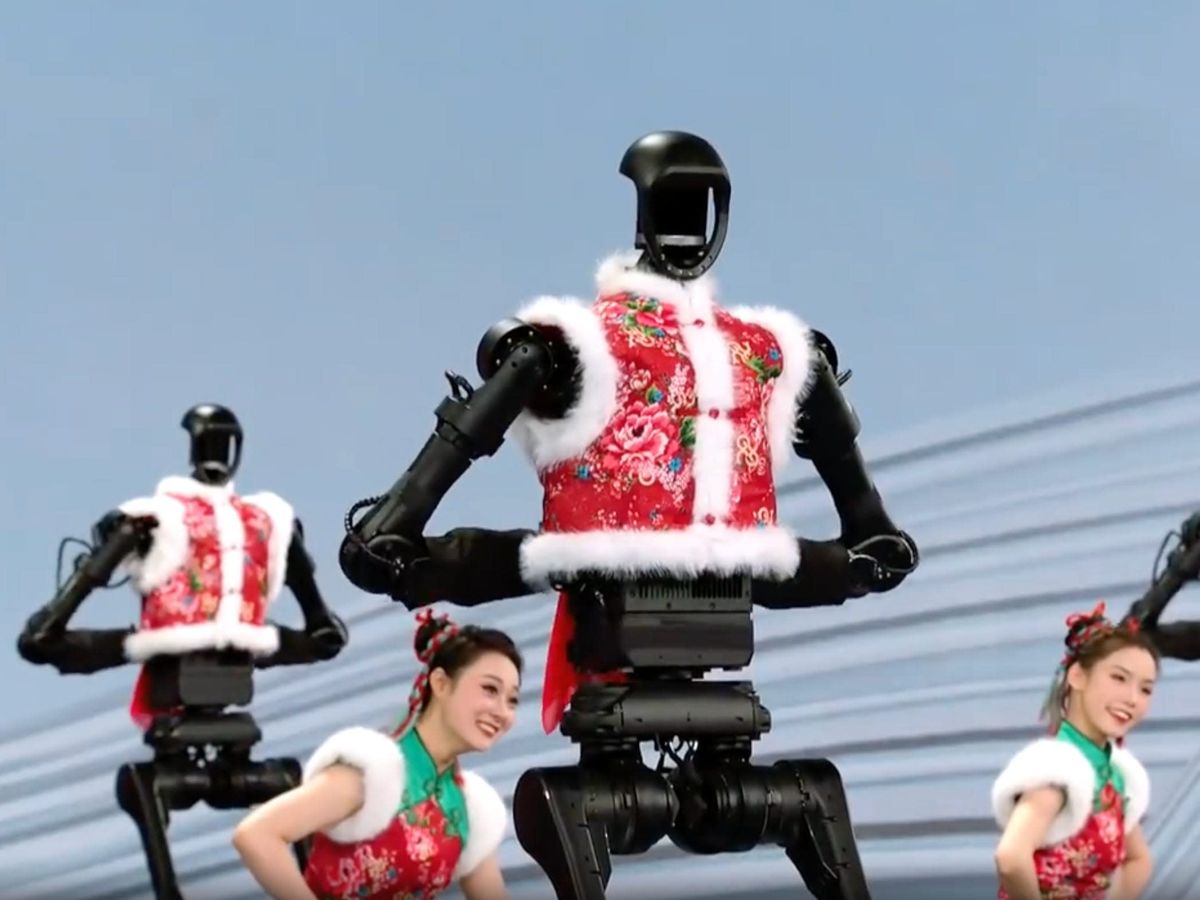
Energy is ever renewing. As our labor faces challenge and precarity, we're fully current—recharging our visual identity with Studio Manuel Raeder. It doesn’t just display energy; it lets it surge, crackle, and remake the languages and knowledge we inhabit.
With contributions by: Mariuccia Secol and María Inés Plaza Lazo, Danny Hayward, Helmut Draxler, Natascha Sadr Haghighian, Rose-Anne Gush, Taylor Le Melle, Marwa Arsanios, Maria Bussmann, Angela Melitopoulos, and Kerstin Schroedinger, Margherita Falqui, Anna Mańka, and Rachel Refael, Patricia Saragueta, Laurentiu Dragota, Dalia Maini, Paolo Caffoni, Katerina Hola, Andreas Petrossiants, Mattin, Tom von Synnika, Miguel (Guevara) Parra, Mehrgenerationenhaus Neukölln, Berlin
IMPRINT
Founder / Publisher / Editor at Large
María Inés Plaza Lazo (Verantwortliche i.S.d. §18 Abs. 2 MStV)
Editor in Chief
Dalia Maini
Associate Editors
Danny Hayward, Rose-Anne Gush, Annette Krauss, Sofia Bempeza
Copyediting
William Kherbek, Anne Waak
Staeff Guenther
Translations
Sumaiya Ali, María Inés Plaza Lazo
Management
Hannah Lu Verse
Distribution
Laurentiu Dragota
Archive, Community
Filipe Lippe
Layout, Design
Studio Manuel Raeder
(Manuel Raeder, Cecilia Murgia, Andrew Beltran, Sasha Sulikov)
Print
Die Rheinpfalz
Verlag und Druckerei GmbH & Co. KG
Oggersheim Printing Center
Distribution of printed products
Flomersheimer Str. 2 - 4
67071 Ludwigshafen-Oggersheim
Alle Anfragen an die Verlagsadresse
Reflektor Monde gUG (haftungsbeschränkt)
Schillerpromenade 10, 12049 Berlin
hey@artsoftheworkingclass.org
Donate via Paypal: p@artsoftheworkingclass.org
The current Issue is published with the financial support of the Department of Art and Communication Practices (KKP) at the University of Applied Arts Vienna.
KKP (Sofia Bempeza and Annette Krauss) hosted and co-organized the conference " What Is Infrastructural Critique?” together with Danny Hayward and Rose-Anne Gush in October 2025.
In this issue
- We are here and we are in it.
- Flames to Dust
- Figures of Entropy as Anchors of Value
- Bodies in space, again.
- Beign moved
- Noise on the Gaps
- Sacrifice of the Land, Sacrifice of the Body
- The Doors are Open
- Scrivere come l’AI
- Carta desde la Pequeñísima Edad de Hielo
- The Test of Infrastructural Critique:
- Ombre e Presenze
- Bruciore individuale, fuoco collettivo