
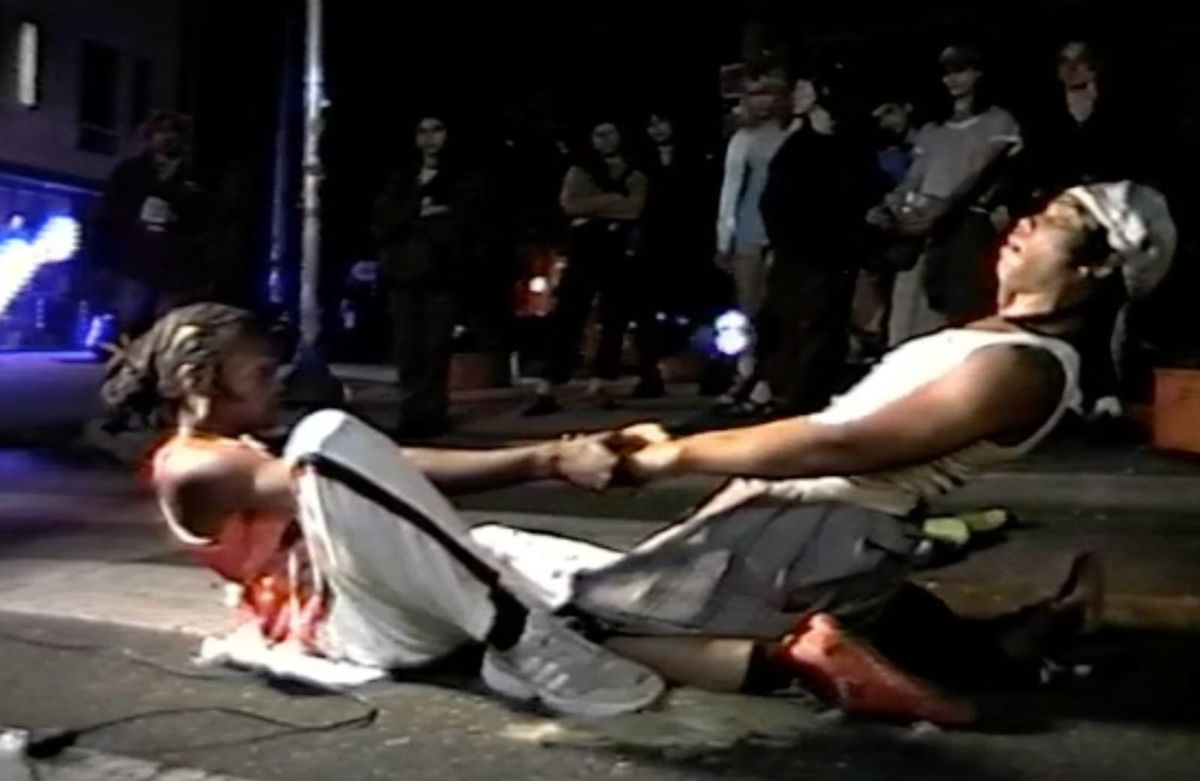
Capeforce is a shapeshifting opera and performance work rooted in the sonic provocations of composer Julius Eastman. His works—Evil Nigger, Crazy Nigger, and Gay Guerilla—offered me a structural and conceptual framework to think about “guerillaness” as both a sonic and embodied strategy. This work aims to test how speculative realities—emerging through sonic and physical interventions—might dramatize hauntological contradictions within today’s global society. My pursuit isn’t simply to stage a performance, but to break passive spectatorship by opening a space of friction, rupture, and recognition.
Earlier stagings this year in Philadelphia and Brussels approached risk as both aesthetic and ethical terrain: confrontation, exposure, and danger were not ends in themselves, but portals to collective awareness. In Philadelphia, I rigged a 1993 Ford Thunderbird with an amplifier, a Roland sampler, and microphones. The audience followed me—an invitation and a test—to an undisclosed location nearby. When the headlights flashed and the car blocked a small intersection, Julius Eastman’s Prelude to The Holy Presence of Joan D’Arc surged through the speakers. Another performer emerged from the trunk, and our duet quickly drew hostility from neighbors above, who hurled racial and homophobic slurs before calling the police. In Brussels, the police arrived preemptively to shut us down. Yet in both cases, something unplanned occurred: audience members and bystanders formed a circle around us, a collective shield. Their stillness—protective, resolute—transformed tension into suspended observation. That spontaneous choreography of care dissolved the binary between performer and witness; risk became a medium of relation.
In capeforce iv, made for Istanbul, these gestures evolved toward a more complex interrogation: how can performance not only provoke but accompany political struggle? How can the choreography of danger become a choreography of relation? The sonic and spatial provocations remain, but the stakes have shifted—from testing the limits of public disruption to cultivating networks of solidarity and mutual protection within environments of heightened surveillance and control.
Yet what became clear was that the assumptions formed in earlier contexts could not translate neatly into Turkey. My position as a non-binary Black American encountered different modes of racialization and surveillance. The unpredictability of state authority demanded new tactics and new listening. This iteration confronted not only the choreography of danger but the limits of translatability itself—of identity, resistance, and care across shifting political terrains. In this textual account, I document the process of the coming about of this evolution.
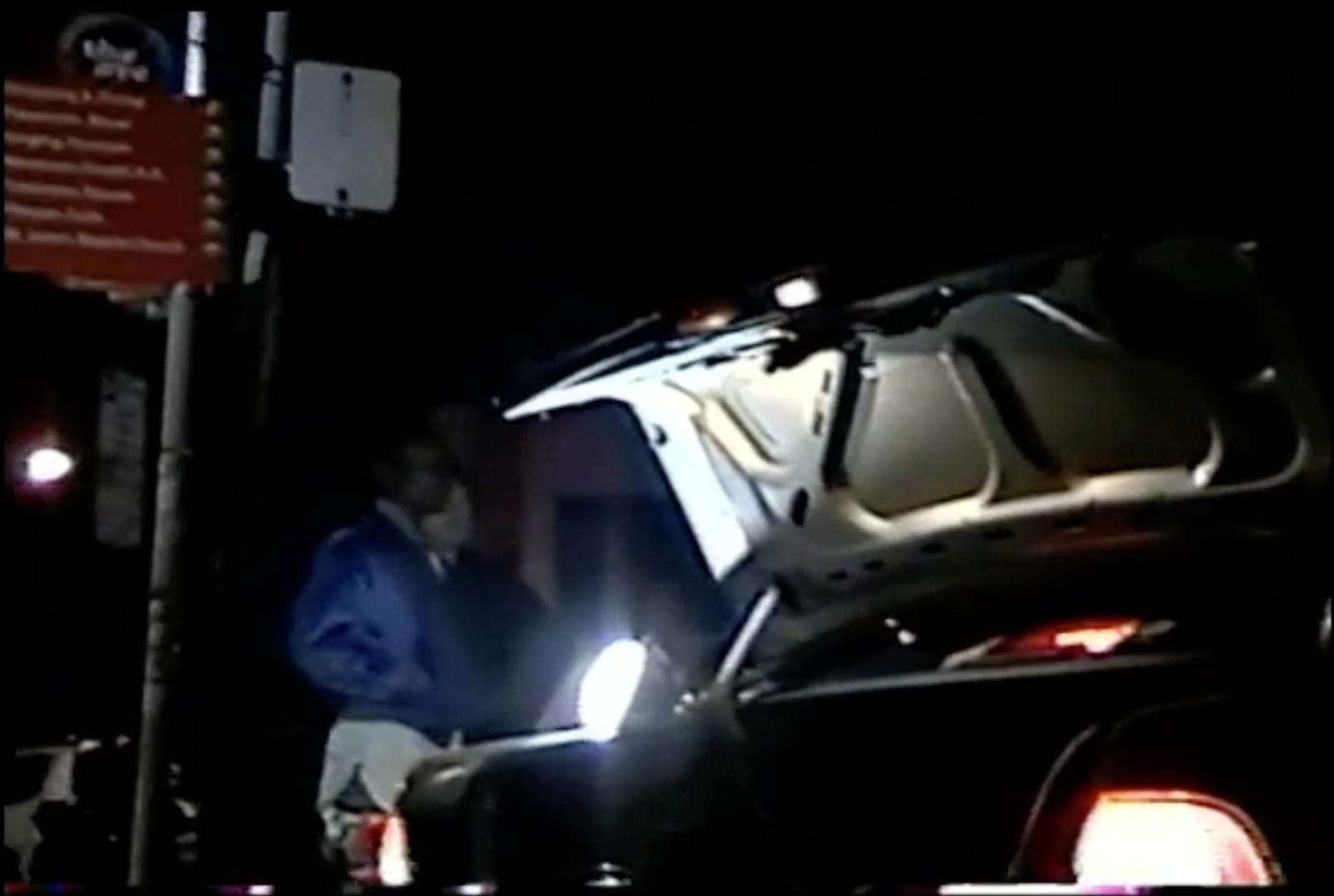
Fig.1
June 2nd
Today I arrived in Istanbul very early in the morning by an overnight flight from London. YC and KS greeted me early at 7:00 am with great warmth and spirit. I later learned that the flow of Istanbul ends at 6 am and wakes at noon. We talked over coffee in their apartment for a few hours before meeting a friend, a photojournalist named TB. Immediately, TB and I got right into it about the state of the Turkish government and the state and absurdity of the current administration in the US. I felt we became instant friends and comrades.
I moved through most of the day with little sleep but rigorous ambition to get adjusted to the city. Later in the evening, YC and I met at one of their favorite bars to get to know each other since this was our first day meeting. We soon ran into other staple friends of theirs through the night and landed at this discreet bar with an empty pocket of light and rustic table at 2 am. Here were 5 of us, already a few drinks in, but very fiery. One of the friends is part of the “Pride committee”, a group of rotating queer and trans community members who dedicate 6 months to planning demonstrations for Pride month. I happen to be lucky, as the Pride demonstrations are to kick off at the end of this month.
BB, one of the people at the table and a committee member, caught me up to speed: for the past 10 years and rapidly in the past 5, the capital city of Ankara, along with several governors around Turkey, have banned all LGBTQI+ related public events and discussions over the guise of “protecting peace and security”. Therefore, alongside queer and trans community, feminist groups are also targeted to the degree of receiving similar bans. This means they cannot occupy or take up space under the suspicion of organizing and planning, which also risks parties and gatherings that are always under threat of being disrupted and raided. Each year for the demonstration, the Pride community undergoes an intense planning, strategizing, and mapping to lead, confuse, and avoid authorities while taking up as much space alongside various parts of the city between Kadikoy and Karakoy. After much discussion, I saw the connection between these communities being at high risk, specifically in the US, UK, and across Europe, in this rising tide of fascist seductions.
I proposed to enact in this context the IV iteration of capeforce, and if the organizers see any potential in it being at the service here alongside the demonstration. After many disagreements, discussions, and bouncing off ideas, pushbacks, etc, from all 5 of us around the table—BB was skeptical, but interested and convinced. Maybe capeforce can be incorporated as another diffusing method, distraction, or public spectacle aligned with their cause. BB proposed the performance to the rest of the organizing team, which is made up of volunteer lawyers, experienced organizers, and other trusted comrades. They responded with much enthusiasm, though they wanted to first situate a one-to-one call with me to discuss the risks involved with one of their own who has experience with international relations, especially with the US and French embassies.
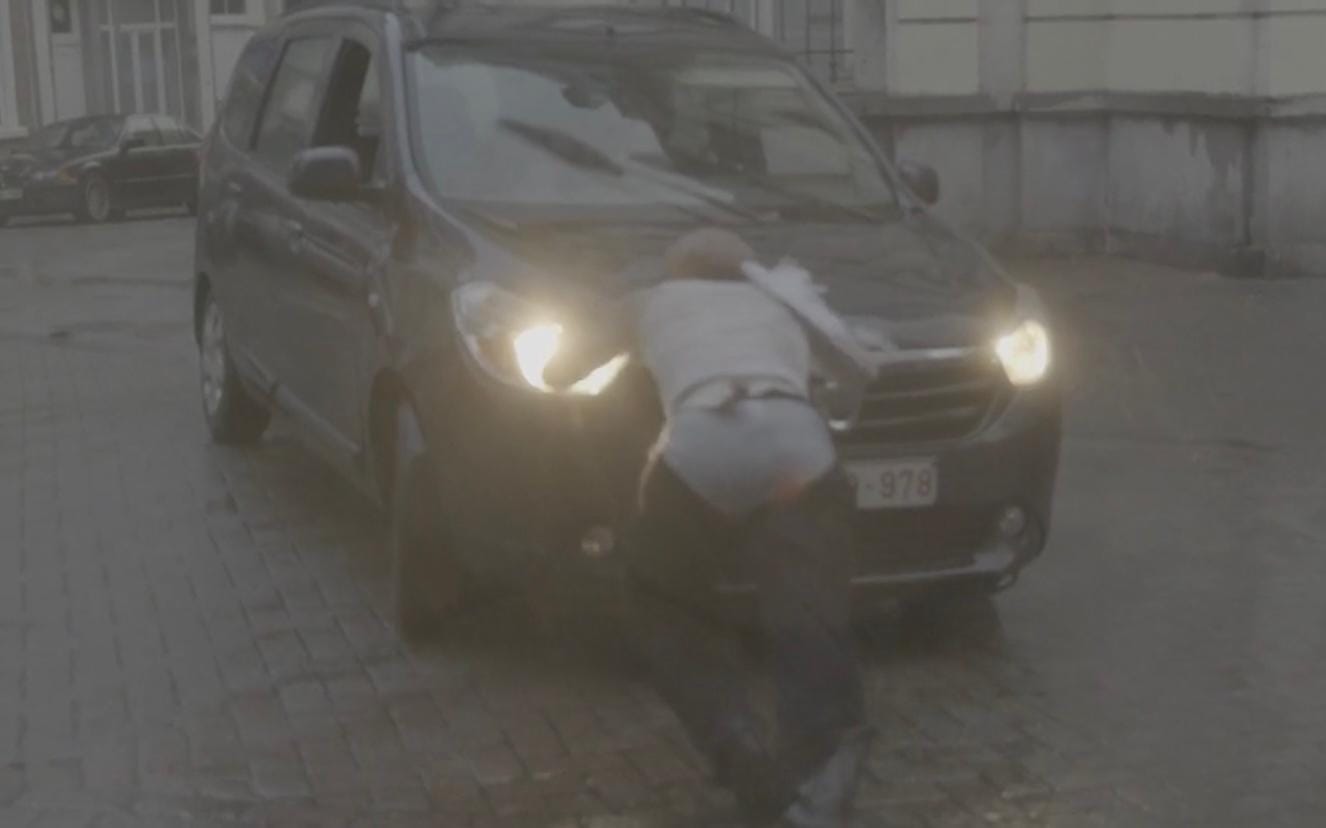
Fig.2
June 3rd
The next day, I spoke with TB over tea at his house. He has much experience dealing with Turkish police, being arrested and thrown into jail or prison several times, either the day of a protest as press, or sometimes in the middle of the night. TB believed that as an American, I should have some major protection, so much so that immediately, a lawyer would contact the American embassy if arrested, and within hours, I’d be released.
June 4th
Encouraged by TB’s experience, to further prep for my conversation with the organization team, I spoke to Valentina Desideri, whom I trust as someone to collaborate practically and conceptually with, addressing the political stakes at play. I was also increasingly frustrated at what was occurring in LA, as Trump decided to send the National Guard into the city in response to LA citizens protesting against ICE in protection of their immigrant communities. The brutality and illegality of the police and the guards were increasing by the moment worldwide.
We understood that first and foremost, priorities are thinking through “exit strategies” and risk-reductions, then to clearly stage the visibility of the action as a performance or artistic work. I was not interested in this work being portrayed as a demonstration. A big role is played by the attention from bystanders and the audience, which protects the piece and also makes it significant. Attention shall be recalled via sound, for it to abruptly burst. This means that the sound element is most crucial for creating a protective orb, which signifies that this is a performance. The sound must initiate the performance and be obnoxious, or just too loud, or else it could be mistaken for car music. It may also fail at demanding the attention it needs. There can’t be a delay between the start of the performance and the performative staging, or else the police may intervene too early, where it is not clear that this is a performance. To signal the end of the performance, the sound should end first, followed by the car leaving and me disappearing into the crowd and/or nearby demonstration. This can offer me protection. To hyper-visibilize the work as performance or staging alongside the sound is to have a camera, or a couple, be present. It has to feel a bit out of the ordinary, and as an obvious “artwork”. It also acts as another protection between myself and hyper-visibilizing the response of Turkish authorities, especially once it's clear that I am American. Another added protection is with the New York Times press badge provided by YC, as another American element, and the illusion of additional media presence.
Then we leaned into the performative qualities, such as costuming, which will act as masks from being surveilled and identified later by the additional 30,000 facial recognition devices around Istanbul, newly installed by the Turkish Government. This is especially important, since TB informed me that the secret police can come to arrest you days after the performance or demonstration. With all this in mind, I would keep my face visible as a grounding point, since I have the most protection as a non-Turkish citizen unattached to an address. The basic level of volunteers needed for this piece is a driver, a photographer, and a “cinematographer”. The driver, I think, has to be a Turkish lawyer who can mediate with questioning by authorities and our rights. The photographer can be YC, who can “represent” the New York Times. The friend of TB who can be the cinematographer/Turkish journalist on the scene.
Additional volunteers that would serve a conceptual purpose could range from 2 or 3 people. I think the costuming here can signify queer, though the abnormality of it already does that. What is also necessary is communication between the organizers of the demonstration and our group to act as another coordinator. This is to ensure that the positioning, timing, and diffusion of the act are in place. I imagine for this performance action to be coordinated with the positions of the demonstration, so that I can be adjacent to, but not directly or explicitly attached to it, the timing works to help diffuse from another positioning of demonstrations. Another pop-up demonstration would occur to help diffuse the act and police interference, if this is already being imagined to happen by organizers. TB mentioned that a Palestinian flag can offer protection, while an LGBTQ flag will get me immediately detained. To approach this as an artwork, the work can associate these things without them. Additionally, I hope to establish a few trusted connections in France and in the US, who will be ready to help share and amplify from the outside, and increase awareness of the increasing level of governmental fascism globally.
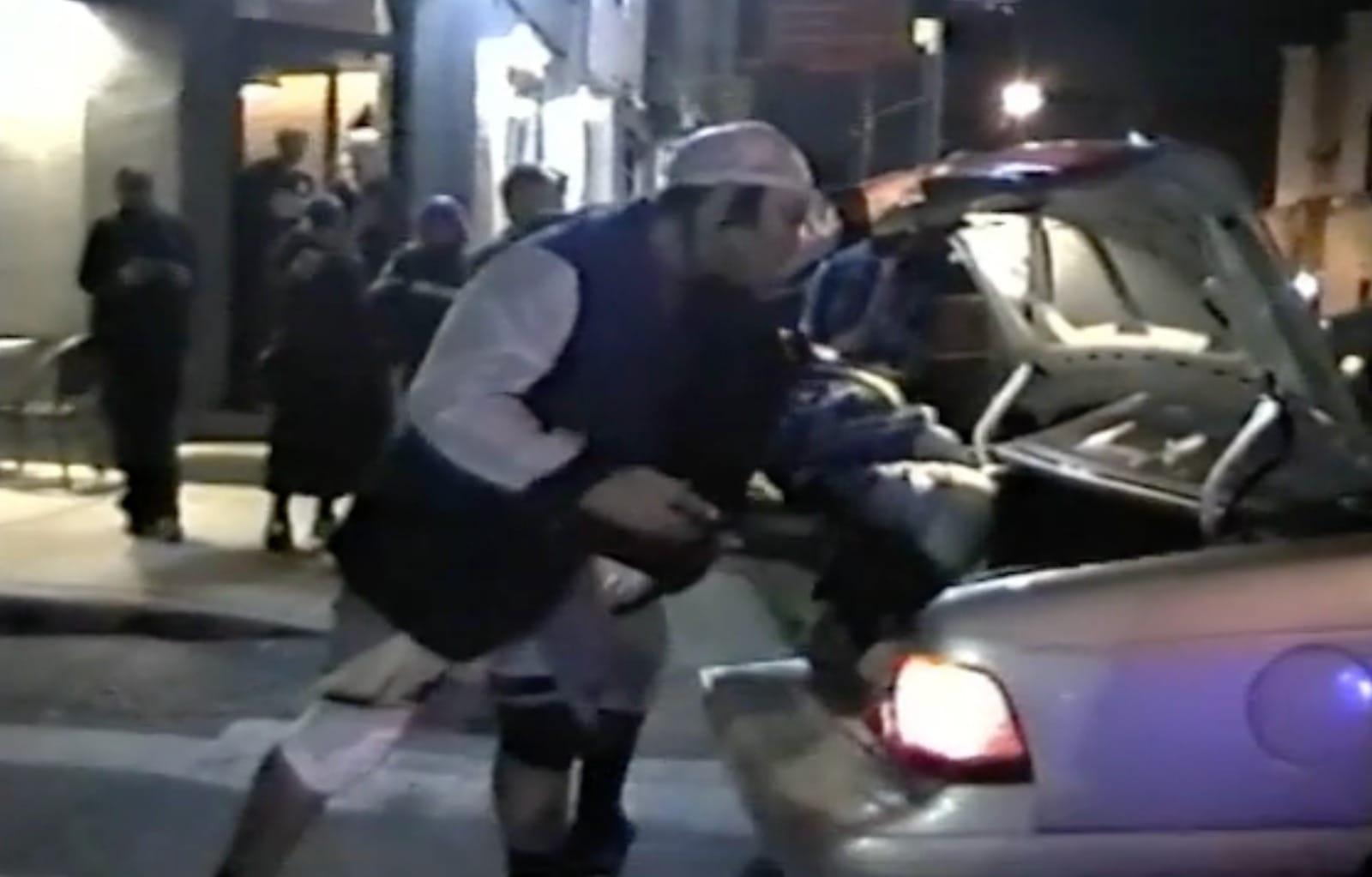
Fig.3
June 5th
After talking with CC (committee member) over the phone, after my conversation with Valentina, and with my preparation notes, there were many holes in the ideas we had thought through for the performance. Firstly, there is a tremendous risk with me being a non-Turkish citizen. If I am caught during the day of the demonstration, I will most definitely and immediately be detained, then tortured for days (maybe weeks), and potentially deported out of the country. There will be no excuses or hesitations by the police and secret police present during the day.
There is definitely no way of driving or using a car in Istanbul during the day of the demonstrations, especially since most roads will be blocked off. There is a possible way to get around facial recognition technology. There are styles of wearing makeup over the face that distort the right forms and curvatures enough that each performer will be undetectable. This has been used and implemented in other forms of demonstrations and protests in previous years in Istanbul, and also adopted in other parts of the world. CC sent over an article describing ways, also this information is widely available online.
Phone communication is not safe either. Most popular encrypted services with their venues based in Istanbul, were forced by police to illegally release all the communication information of individuals they wanted information on, even suspects. These companies would gladly assist. So even though these services are supposed to provide encryption and security protocols, they would do no good.
This conversation with CC led me to the conclusion that no individual has protected rights here. Even as an American citizen, my assumption that I would have some kind of extra protection does not exist. I assumed that since the Turkish and American governments have deep political and economic ties with each other, even that the Turkish government would not want to cause difficulty with the American embassy. Though a few false assumptions were made present. The first being that Donald Trump, as he has demonstrated with the LA riots this past month and rising claims to deport “terrorists” and individuals who do not “uphold American values” (or even “endanger” them), I cannot rely on the American embassy to protect me overseas. I would be attacking the same kind of values that his administration is trying to implement. Secondly, CC informed me that even if the American embassy tries to have me released immediately, the Turkish government probably would just ignore them and defy their requests. Additionally, they told me that the last time the American embassy successfully retrieved a prisoner from Turkish imprisonment was in the last 8 years, and they were a pope. I am no pope, just a troublemaking instigative artist.
During the next two weeks, I continued brainstorming alternative possibilities, including Valentina, TB, and encounters with friends in Istanbul along the process: a film screening of the performance, first performed and filmed in a discreet garage and later projected throughout multiple buildings and sites across Istanbul during the demonstration. Another was to collaborate with Noh Radio Bar to livestream an audio broadcast of the performance while protests occurred–whether this would be broadcast from a live performance staged in the adjacent street or pre-recorded was to be discussed.
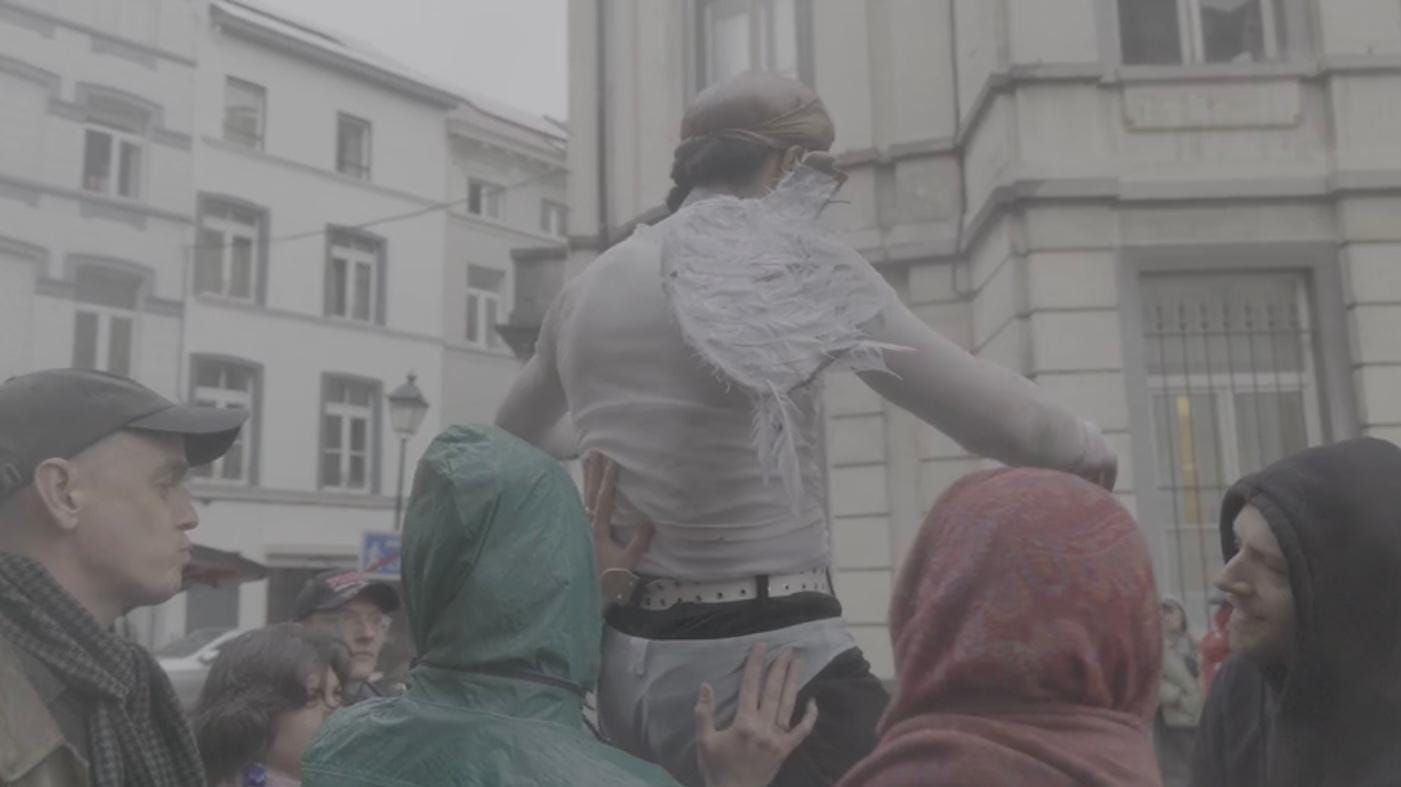
Fig.4
June 15th
With less than two weeks remaining, I spiraled into paranoia while YC and KS were away. For the past week, I became so wary about whom I could talk to about the pressure I was feeling. I was noticing surveillance cameras everywhere I went across the city, sometimes only feeling safe to send a text on the ferry across to Karaköy. I wasn’t sure if the police had the technology to hack phones by proximity. Once, I was on the phone with a friend when I noticed I was directly across from a police station as a group of police were staring at me (or so I supposed). There were occasional police interventions on the streets, where they’d spontaneously block in parades of people and ask for identification, letting no one from outside enter from either side. Usually stationed around the city were large groups of police and military personnel, posed around armored vehicles, watching and alert. I became interested in documenting and locating these stagings, as I have done in other cities around Europe I traveled to. Though this time I am hyper vigilant of their presence.
When they returned, we began discussing the developments I’ve had towards capeforce and with the organizers over the past week. I told them about the concerns relayed, and YC was quite frustrated at first. They felt like we were all constantly taking risks. If we are to become scared and afraid to take them, then none of it is worth it. They should have more confidence in me deciding to do so. KS also agreed and added that he believes I would only be detained, maybe for a few hours.
June 21st
The Sunday before the larger general Pride demonstration was the march for Trans Pride. The atmosphere was quite intense–beginning the morning with breakfast between a few of us meant to attend. This was followed by a stream of concerning events. One of the organizers left our place to go home. On their way while riding the metro, they were abducted by undercover police dressed in plain clothes. The remaining small group anxiously went out to find a place to wait for the call. In a nearby cafe, three police officers entered and sat behind us. Of course, we waited, concerned we were their targets. We left and hid out in a hotel lobby until we were notified of the location to meet for the demonstration: an undisclosed location only a few lead organizers knew of for security measures. These moments were smeared with an expanded sense of time, yearning for action, fearful of early disruption.
When we received the notification, we dropped all our things and began walking to the “spot”, until we came across a woman who warned us squads of undercover police were already there with a bus collecting and arresting people within minutes of the location being sent out. I left with another (as we were most at risk), and the two others (one a lawyer and the press) continued. After an hour or so of waiting, we found out all the lawyers and press present were beaten and arrested unlawfully–phones and cameras smashed. Our friend, who was with the press, managed to escape a fine, and we rejoined.
As we recollected and debriefed, we soon learned that the state authorities managed to squeeze someone undercover amongst the organizing circles and leaked the information. Later that evening, 11 more queer and trans people were arrested by the Kadıköy center, simply based on how they were dressed, and more arrests were to be made over the next day or so.
June 22nd
I met with a few of the organizers and lawyers during a momentary celebration of the release of those who were detained for several days. This moment changed and moved me beyond the possibilities of revolutionary care between comrades. I was invited by a few members of the community, which made me more confident as an outsider, though I felt part of the family by this point. Everyone was gathered at a familiar bar. I haven’t seen YC since they were arrested the day prior. As I walked up with a friend who was my current flatmate, there was a tiredness and excitement flowing through this tiny street. Everyone gathered around a very long table, cheering, talking loudly, and hugging each other. Throughout the night, a new member joined who was recently released from jail, as there were ongoing trials still happening. With the sassiest walk and bold energy, each new comrade would strut down this alleyway screaming in joy, and everyone would run up to kiss them. It was stunning.
One of the lawyers and I spoke about what was concluded from yesterday’s events in relation to planning capeforce. There were a Palestinian and a Nigerian detained part of the demonstration who were sent to an unknown prison. The lawyers still couldn’t locate them. After much back and forth (and even more resistance on my part,) we concluded that we were to cancel the capeforce addition to the demonstration. I pushed against this decision quite a bit, but I recognized that besides the risk I was willing to make myself, others would have been put under more duress. Regardless, I would leave (either by force or by my own will) while the others would have to continue their battle in the city.
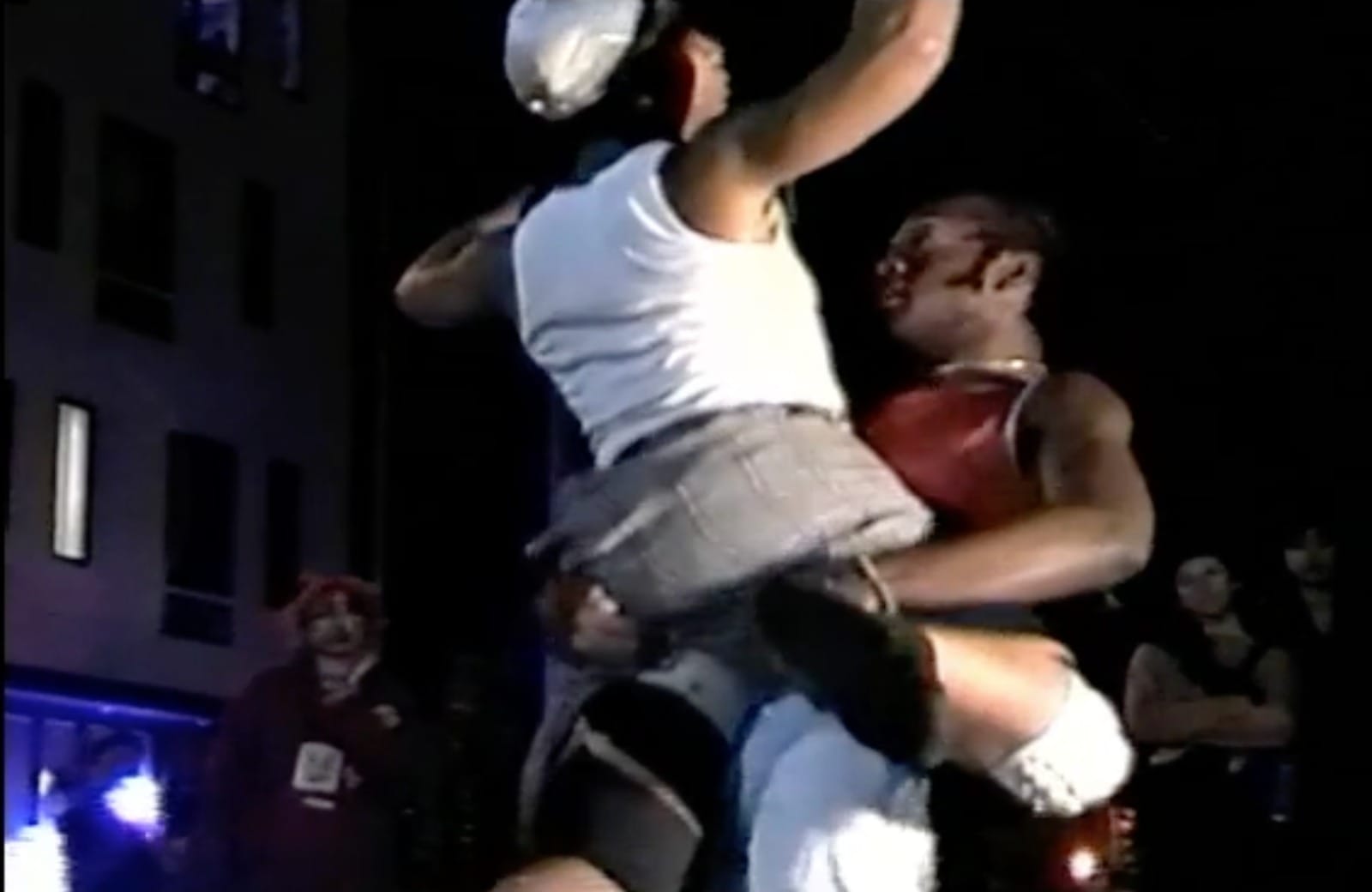
Fig.5
Aftermaths
When the day of the Pride demonstration came, Sunday, June 28, everyone warned me not to attend. This time, I listened, but stayed glued to CC’s and others’ Instagram stories, texting them when they had a chance to relay. Within minutes, every single person who was in attendance was detained before ever moving from a single spot. Local people from the nearby mosque also violently assisted in arresting and abducting protestors alongside the police and undercover agents.
Regardless of the impossibility of enacting capeforce, the act of preparation—of holding the line between possibility and refusal—became its own kind of performance, revealing the political and social forces involved, even when unperformed. The counterforces that shaped and confronted capeforce iv were both material and legal: the advancing technologies of surveillance weaponized to regulate social agency and suppress freedom of expression; and the choreographic apparatus of the police and Turkish authorities, whose movements—bodies in formation, guns in hand—made visible the omnipresent reach of state power. The practice of trying to realize this performance could neither protect individuals nor materially alter the conditions of this landscape. But in exposing that insufficiency, it made visible the very contingencies, instruments, and agents—social, aesthetic, material, and legal—that shape the terrain of collective struggle today. It also opened the potential to choreograph a relational politics of witnessing—a spectatorship of solidarity in which bystanders could transform into active participants, forming a living barrier between performers and authorities, and collectively raising the stakes of accountability.
As fascist structures continue to infiltrate everyday life, we are reminded that art operates within the same systems it seeks to challenge. Radical interventions cannot by themselves ensure safety or dismantle cycles of violence. This is not a failure of imagination, but an honest recognition of art’s limits. Perhaps the task, then, is to keep insisting on art’s potential as a site of exposure and inquiry: a way to trace the intersections between visibility, legality, and power, and to ask for whom and under what conditions art can truly work. In this sense, capeforce gestures toward a living methodology of refusal and being, a breathing politics of negotiation, manifesting both in the orchestration of collective practice and in the afterlife of its encounters.
*
I would like to extend my gratitude to the community and friends in Istanbul for their openness to consider capeforce iv as a form of action—one that could align with, and perhaps momentarily support, their ongoing efforts toward collective resistance. I also want to thank those who responded to the urgent call to gather, think, and rehearse together: to imagine what this performance could hold, and to test what forms of solidarity, care, and fugitivity might be practiced within it. The pseudonyms used in this text are to protect the safety of all the individuals still present and resisting in Istanbul.
Images
Cover, Fig 1/3/5 Jordan Deal, Still from capeforce ii performance in Philadelphia, 2024 The performers present depending on image are Jordan Deal, Eden Lafayette, and Vernon Jordan III (in the golden jacket): Image of capeforce ii performance still. Jordan Deal and Eden Lafayette are engaged in a performance duet in the middle of the street, surrounded by an audience. Courtesy of the artist
Fig 2/4 Jordan Deal, Still from capeforce iii performance in Brussels, 2024. Courtesy of the artist
(they/them) work in the intersections of performance, sound, film, and installation, where the body becomes both instrument and interruption. Channeling what they call chaos force—a method of embodied subversion—Deal unravels the mythologies and socio-political systems that choreograph daily life. Their work has appeared at Café OTO (London), Radialsystem (Berlin, CTM Festival), Judson Memorial Church (NYC), and the Center for Performance Research (NYC). As a 2024 MAP Fund grantee, 2023–24 Artistic Fellow at the Leslie-Lohman Museum of Art, and a 2022 research fellow at the Amant Foundation, Deal continues to experiment with black queer futurity, worldbuilding, and the unruly poetics of love and resistance. www.jordandealart.com